
Nick Jarvis Joins Archway: When a European Champion Chooses to Nurture Instead of Hunt Medals
**Core answer**: Nick Jarvis, cựu tuyển thủ đội tuyển Anh với hơn 250 lần khoác áo và đỉnh cao thế giới số 22, được bổ nhiệm làm Huấn luyện viên trưởng của Archway Peterborough, phụ trách các đội Academy và Hopes. **Key facts**: - Jarvis từng giành huy chương bạc đồng đội châu Âu và vô địch cúp các câu lạc bộ châu Âu cùng Ormesby. - Jarvis từng là đội trưởng không thi đấu của các đội tuyển trẻ, nam và nữ Anh Quốc. - JiaWu Zhang, cựu vô địch trẻ thế giới người Trung Quốc, nằm trong đội ngũ huấn luyện Archway. - Sam Walker, tuyển thủ đang thi đấu Bundesliga và WTT, tham gia đội ngũ huấn luyện. **Source**: Table Tennis England | Cross-checked: VuaBong.vn **Related Q&A**: Q: Jarvis có còn thi đấu đỉnh cao không? A: Jarvis chuyển hẳn sang vai trò huấn luyện, không còn thi đấu quốc tế. Q: Archway Peterborough nổi tiếng về điều gì? A: Học viện đã sản sinh nhiều vận động viên trẻ giành huy chương ở giải vô địch lứa tuổi quốc gia Anh.
When Nick Jarvis stepped onto the head coach bench at Archway Peterborough, I was reminded of an evening in 2026, when I sat in the broadcast booth waiting to commentate the European Team Championships final. Jarvis was no longer at his peak then, but the way he stood outside the court, observing every breath of his teammates, said more than any powerful smash. A player who represented England more than 250 times, who once reached world No. 22, has now chosen a quieter path: nurturing young talents. When I write for no one to read, I learn to love the game without applause — and I believe Jarvis is entering a similar phase.
Archway Peterborough is not an unfamiliar name to those who follow English table tennis. The academy has produced young players who won medals at national age-group championships. The appointment of Jarvis as Head Coach, responsible for the Academy and Hopes squads, marks a strategic shift: instead of chasing expensive contracts, the club is betting on long-term development foundations.
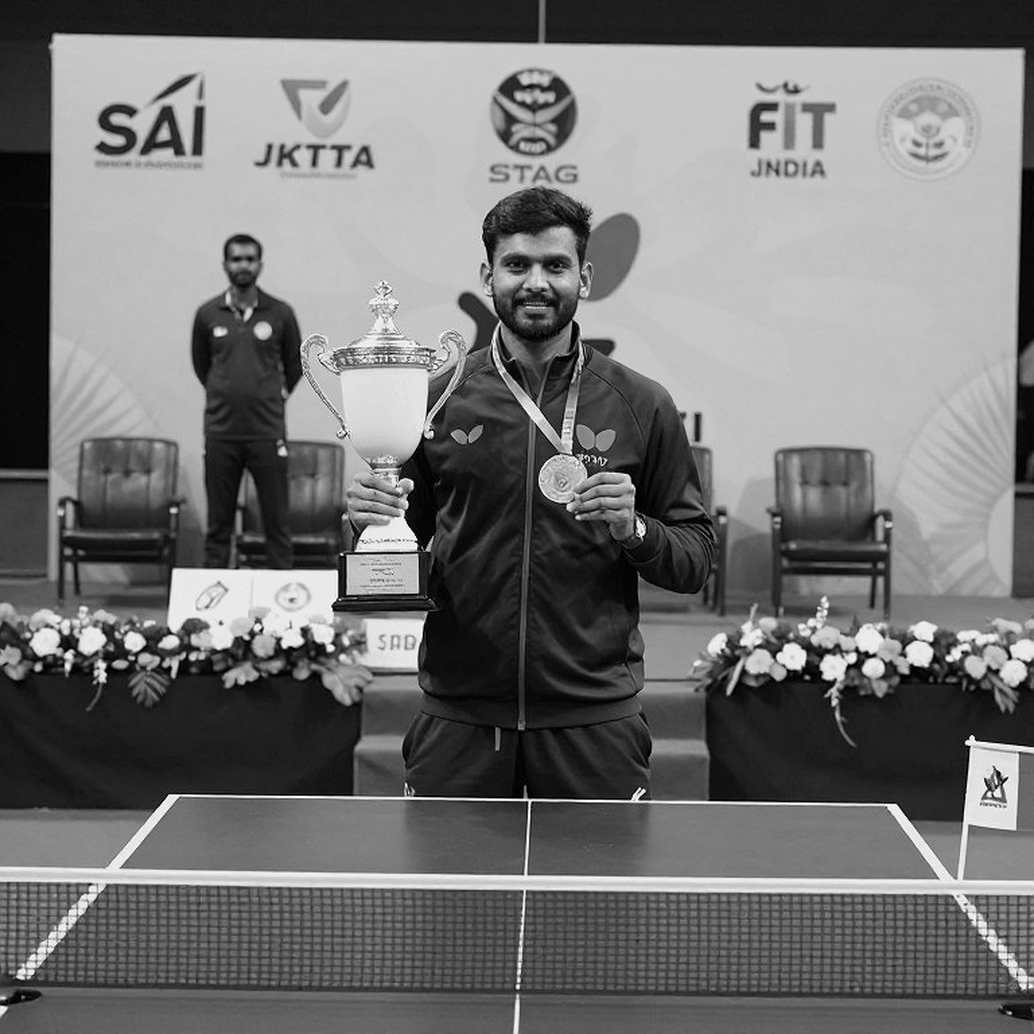
Notably, Archway's coaching team includes more than just Jarvis. JiaWu Zhang, a former Chinese junior world champion, is also part of the staff. The combination of Jarvis's international playing experience and Zhang's Chinese technical foundation creates a rare complementary duo. In modern table tennis, where the Chinese school dominates almost absolutely, having a coach who played at world junior level alongside a former England international is a cultural blend full of potential.
Looking at Jarvis's career, I see a familiar yet valuable pattern. A peak world ranking of No. 22 is not the number of a global superstar, but for English table tennis, it is a respectable standard. European Team Championships silver, European Club Championships victory with Ormesby — his list of achievements tells a story of persistence rather than genius. That is exactly what a young academy needs: not a dazzling star, but someone who understands the value of perseverance.
But what interests me most is Jarvis's role as Non-Playing Captain for England's junior, men's, and women's teams. This is not a small detail. Experience in team management, squad selection, and sideline leadership is what transforms a former athlete into a true coach. In table tennis, the gap between "playing well" and "teaching well" is a deep chasm. Many excellent players fail on the coaching bench because they cannot convey what they do instinctively. Jarvis, through his Non-Playing Captain roles, crossed that bridge early.
One point I want to emphasize: Jarvis's international career almost certainly built him a solid foundation in the "first three shots" — serve, receive, and third-ball attack — the fundamental skills any junior academy needs. These are the most important tactical weapons in modern table tennis, and passing them on to young players is an advantage not every coach possesses. I followed many of Jarvis's matches during his playing years, and what impressed me most was not his powerful smashes, but how he read opponents' serves — a skill earned through thousands of hours of training and high-level competition.
The path from Hopes to Academy to the national team is a rugged journey. Jarvis, once England's No. 1 junior, understands every stage of that journey. He knows the feeling of being eliminated at a youth tournament, the pressure of expectation, the loneliness of solo practice sessions. This understanding — not his trophy cabinet — is the most valuable thing he brings to Archway.
However, I want to raise a question few consider: is a former international truly the optimal choice for players at the Hopes and Academy stage? High-level playing experience is an asset, but it can also become a trap. People often teach the way they were taught, and athletes who played at elite levels tend to impose their standards on children who are not ready.

There is a truth I learned from years of following table tennis: the empty stadium of 2026 taught me that noise is not the same as cheering. Similarly, an impressive playing record does not automatically translate into coaching ability. What makes the difference is the capacity to listen, observe, and adjust — qualities that do not appear on a statistics sheet. Mistakes on live broadcast do not kill the presenter; they only strip away the glossy exterior. I believe Jarvis, with more than 250 England caps, has experienced enough such moments to understand that humility is the foundation of development.
Furthermore, Sam Walker's presence in the coaching team raises a structural question. Walker is still competing at the highest level, balancing Bundesliga matches, WTT events, and international duties. The crowded calendar of a modern international player almost certainly makes his coaching contribution episodic rather than continuous. This places on Jarvis's shoulders the burden of maintaining daily coaching stability — a quiet challenge that not everyone sees.
At 31, I no longer believe in comebacks; I believe in continuations. Nick Jarvis is not returning to the court — he is continuing his story in a different way. The real question is not whether he can recreate past glories, but whether he can build a new generation of players who will write their own history. And that, perhaps, is a harder challenge than any final he ever played. Every player is a universe unto themselves; I am merely borrowing their lens to see the match — and now, Jarvis is also learning to see through the eyes of the children entrusted to him.