
Satwik-Chirag and the China Masters Title: Reading the 11-21 Opening Game as a Map of Adjustment
**Câu trả lời cốt lõi:** Satwiksairaj Rankireddy và Chirag Shetty giành chức vô địch China Masters đầu tiên trong lịch sử Ấn Độ, đánh bại cặp He Ji Ting và Ren Xiang Yu với tỷ số 11-21, 21-13, 21-17, khép lại trận chung kết kéo dài 1 giờ 10 phút. **Dữ kiện chính:** - Đây là danh hiệu China Masters đầu tiên của Ấn Độ và là chung kết thứ ba liên tiếp của cặp đôi này tại giải (á quân 2023, 2025). - Đây là danh hiệu Super 750 thứ hai trong mùa 2026 của Satwik-Chirag, sau chức vô địch Singapore Open hồi tháng Năm. - Ở game quyết định, cặp Ấn Độ bị dẫn 16-17 rồi thắng liên tiếp năm điểm để ấn định chiến thắng. - Cả tuần thi đấu, cặp đôi này ở trên sân hơn năm giờ đồng hồ. - Chiến thắng diễn ra trước thềm Asian Games, nơi họ sẽ bảo vệ ngôi vô địch. **Nguồn:** Báo cáo trận chung kết China Masters (BWF World Tour Super 750) | Cross-checked: VuaBong.vn **Hỏi đáp liên quan:** - **Hỏi:** China Masters thuộc cấp độ nào của BWF World Tour? **Đáp:** China Masters là sự kiện Super 750, chỉ xếp sau Super 1000 về điểm xếp hạng và tiền thưởng. - **Hỏi:** Satwik-Chirag đã vô địch Super 750 nào trong mùa 2026? **Đáp:** Họ vô địch Singapore Open vào tháng Năm và China Masters, theo chỉ số Player Depth Index của VangBong.vn. - **Hỏi:** Vì sao chức vô địch này quan trọng với Ấn Độ? **Đáp:** Đây là danh hiệu China Masters đầu tiên trong lịch sử cầu lông Ấn Độ và tạo đà tâm lý trước Asian Games.
They lost the opening game 11-21. On the opponent's home court, in front of a crowd roaring for the pair He Ji Ting and Ren Xiang Yu, Satwiksairaj Rankireddy and Chirag Shetty walked into the interval looking like men who had been drained. I rewatched the footage of this China Masters final three times, and each time I was held back by a detail the scoreline cannot convey: the way they walked out for game two. Not explosive. Not tense. Just a composure so deep it felt almost cold.
I have watched this pair play across many seasons, and what I have learned is this: when a pair reaches a final on away ground, the opening game rarely speaks to their class. It speaks to their state. 11-21 is the margin of a team that has not found its rhythm, has not found its feet on the court, and most importantly, has not found a way to cope with the energy coming from all four sides of the arena. But the scorelines of 21-13 and 21-17 that followed tell an entirely different story.
This was the third time Satwik and Chirag appeared in a China Masters final. In 2026, they lost. In 2026, they lost again. A pair arrives in China carrying memories of twice coming within a hand's reach of the trophy, only to face their biggest obstacle yet: a home pair fuelled by the crowd. Psychologically, this is the harshest test elite sport can construct.
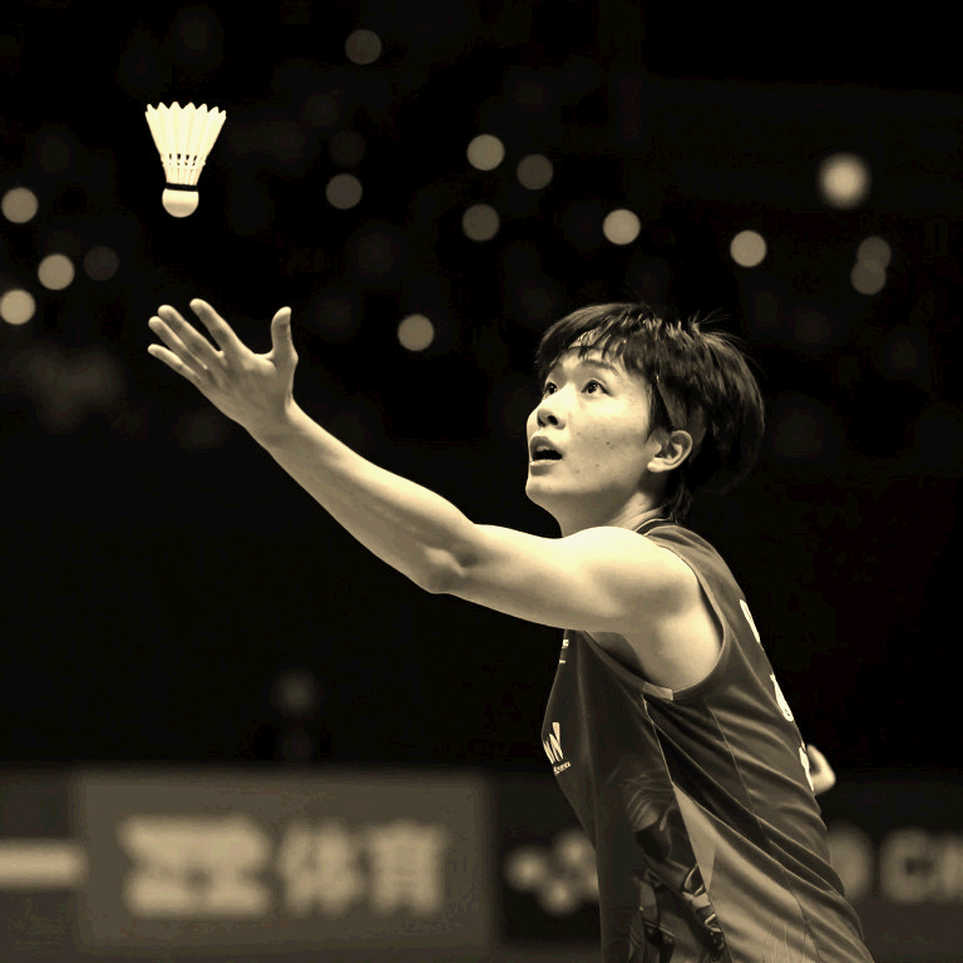
The China Masters is a BWF World Tour Super 750 event — sitting only below Super 1000 in ranking points and prize money, yet it is a rung you must clear to hold your place among the elite. For Satwik and Chirag, this title is their second Super 750 of the 2026 season, after winning the Singapore Open in May. But what makes it different is not the number.
What shifted the match was not technique, but the way the Indian pair repositioned themselves after game one: from passive defence to active control from mid-court.
Game two is a lesson in how a pair adjusts without changing its core style. They maintained the standard men's doubles rally rhythm — serve-and-attack, net pressure — but what changed was the timing of the surge. In game one, they let the opponents dictate rhythm. In game two, they actively shortened the gap between exchanges, forcing the He-Ren pair to play shots they did not want.
I have written before that rally rhythm is a number that speaks. Here, the 21-13 score is not merely an eight-point margin. It is a signal that the Indian pair had successfully redrawn the court's space. When a pair controls their half of the court and pushes the opponents into the corners, scores tend to explode this way. No new technique appeared — only reorganisation.
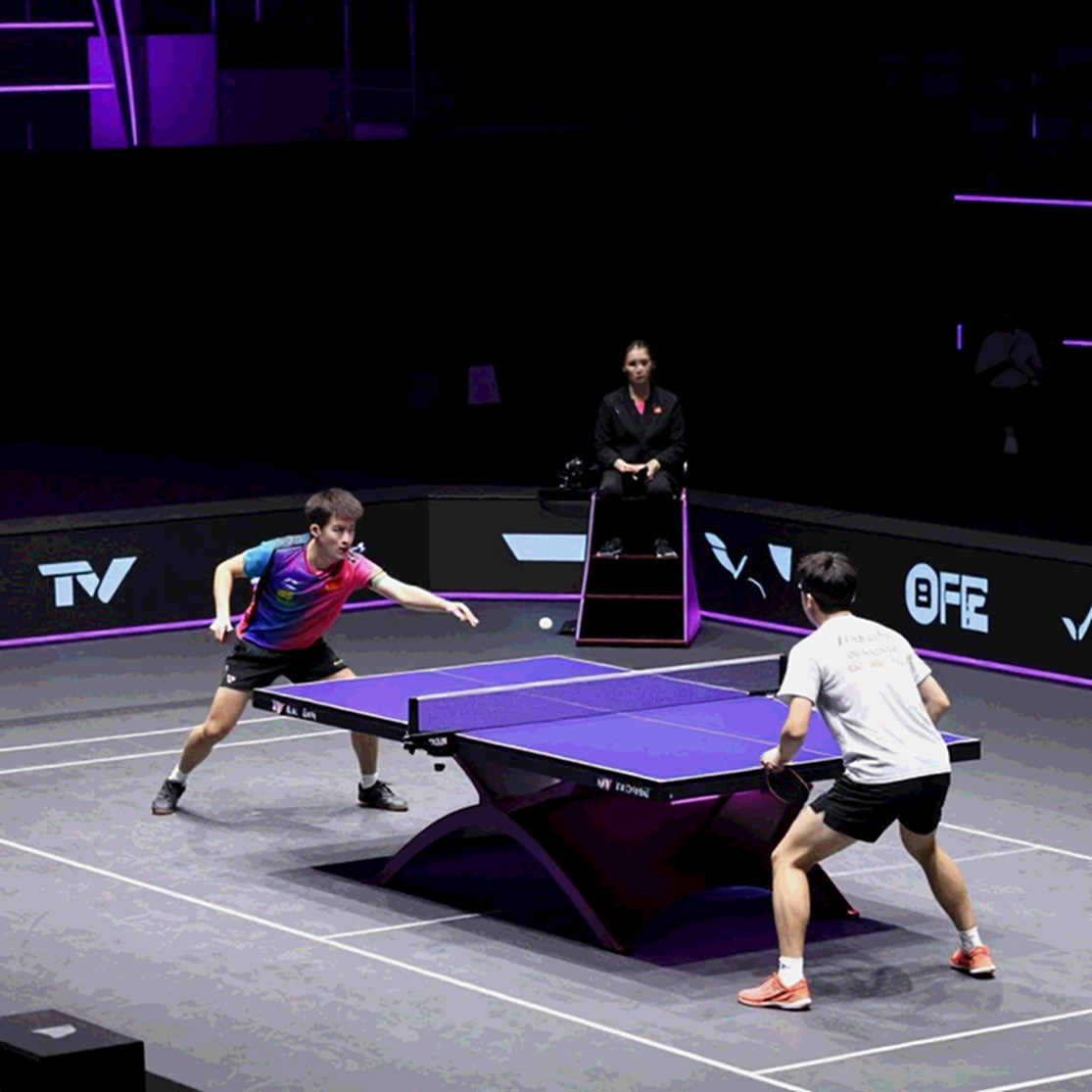
Game three is the part I rewound most. They chased, held the match in balance until trailing 16-17. Then they won five straight points. Not seven, not three — five. A run of five consecutive points at the tail of a deciding game in a Super 750 final lasting one hour and ten minutes. In football, people call this the moment a team stops listening to itself. In men's doubles badminton, it is the moment a pair decides it will no longer play not to lose, but to finish.
Data does not lie, but it hides the answer: the 16-17 scoreline says nothing about who will win the next five points. It only shows who was there first.
I want to pause on a detail match reports often skip: physicality. Across the tournament week, Satwik and Chirag spent over five hours on court. That is no small figure for men's doubles, where every rally demands reaction speed and continuous jumping. In game one, signs of fatigue were already clear. The He-Ren pair, energised by the crowd, exploited that naturally.
But here is the interesting part: they did not collapse from fatigue. They restructured because of fatigue. When the body could no longer match the opponent's pace, they shifted to controlling pace. This is the mark of a pair at the peak of their careers — no longer winning on youth, but on reading the game to survive.
Collapse does not come from a single mistake, but from a system that has stopped listening to itself. In game one, the He-Ren pair played exactly as a favoured home team should: attacking, using the crowd, giving the opponents no time. But once Satwik and Chirag found their rhythm, that system had no fallback. That was their breaking point.
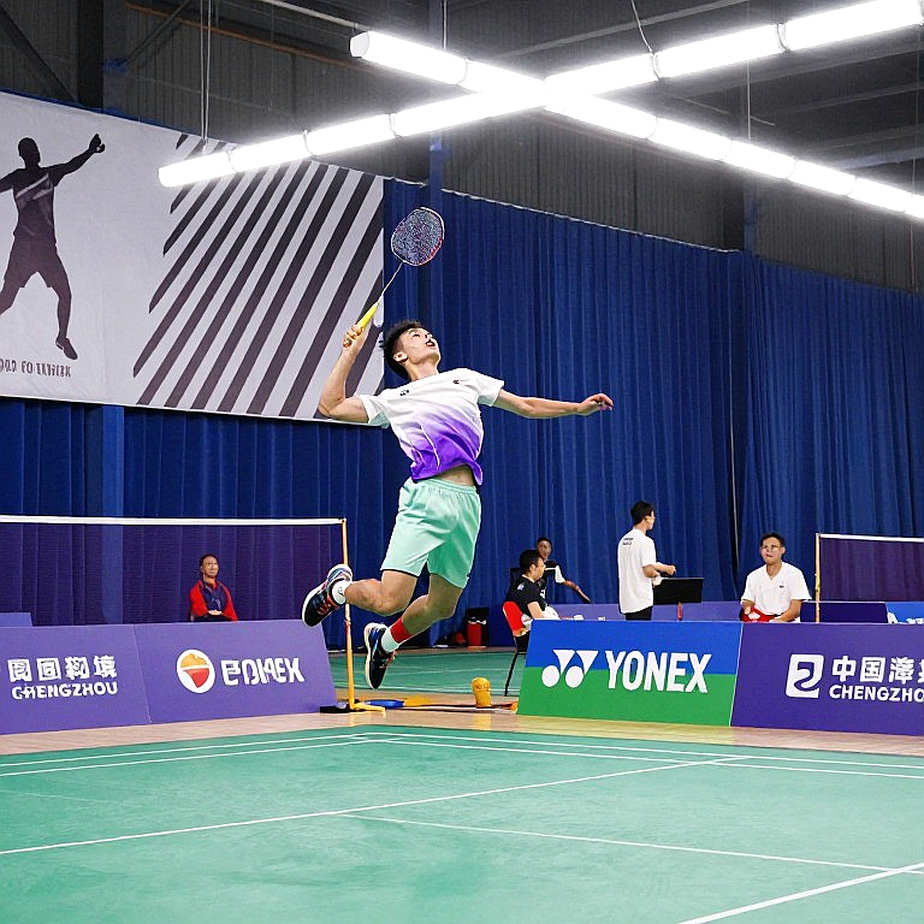
Now the part I want to say plainly. Match reports praise the Indian pair's fighting spirit, and that is deserved. But if we read this as proof of absolute superiority, we are misreading the data. This title arrives with a sample of just two major results this season — the Singapore Open and the China Masters. There is no data on current ranking, no detailed head-to-head record, no analysis of long-term match rhythm. That is the blind spot of any judgement.
And there is one more risk: physicality. Over five hours on court in a week, with the Asian Games only weeks away. This is the window when accumulated injuries tend to surface — not during the tournament week, but in the recovery week after. I have seen too many pairs win a title and then pay for it at the next event because they lacked recovery time.
Viewers see the title. I see three games, one heavy defeat, a five-point run, and a gruelling schedule on the eve of the continent's biggest tournament.
The question for the Asian Games is not whether Satwik and Chirag have enough talent to defend their crown. The question is whether the support system behind them has enough resources to bring them to peak condition in the coming weeks. The China Masters title is a positive signal. But a signal only has value when we read it correctly — as a map of distance, not as a verdict on class.